
Esquerra officeholders denounce the new Multiannual Financial Framework 2028-2034 in which the European Commission seeks to centralise the distribution of European funds by the States, leaving aside local and regional administrations
After the presentation on July 16 of the new Multiannual Financial Framework 2028-2034 and the creation of the National and Regional Cooperation Plans (PCNR) prepared by the European Commission, local government Esquerra Republicana officials are extremely concerned about what they consider clear recentralisation in the management of European funds, which focused on the member state capital cities, overlooking, and even excluding, the desirable territorial balance that responds to the real needs of regions and cities. The new model that the EU has chosen to establish puts an end to the model of partnership that has long guaranteed the success of the Union in promoting territorial cohesion and bringing Europe closer to its citizens.
Thus, in the letter, Esquerra’s officials express that “the policy of cohesion and shared administration have shown that Europe works better when it works hand in hand with all players,” claiming as essential to the European project “the principles of subsidiarity, partnership and solidarity” which would be jeopardised by the recentralisation of the European funds. Among the funds affected are the European Regional Development Fund, the Common Agricultural Policy or the Cohesion Funds, which would be managed exclusively by the States.
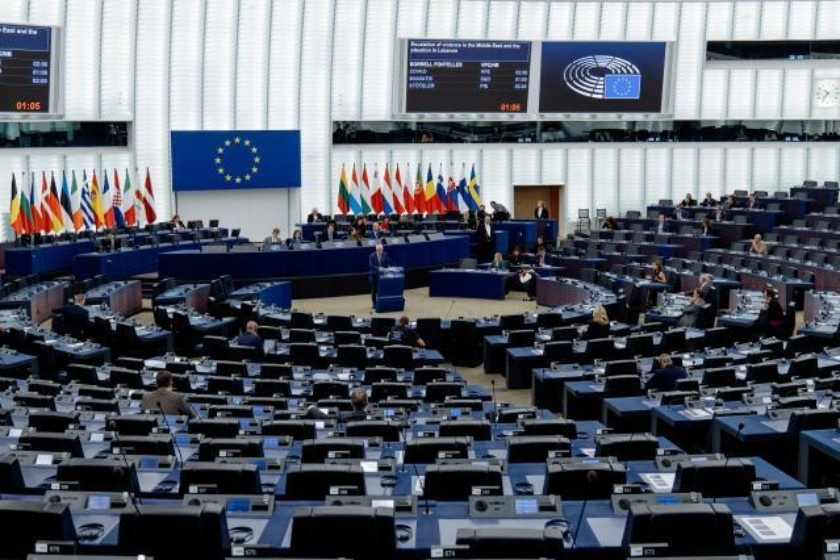
Along with several other political parties, both the European Parliament and the Committee of the Regions have also expressed serious doubts about the proposal put forward by the European Commission.
In total, nearly 200 republican municipal officials have signed the letter, including not only local elected representatives but also the Presidents of the Provincial Councils of Tarragona and Lleida, the Vice Presidents of the Provincial Councils of Girona and Barcelona, as well as mayors and county presidents. The Esquerra officials will also present motions in the different chambers and city councils where they have representation in order to position the local institutions to arrest and prevent the recentralisation that the European Commission means to carry out.


